
Student Complaints and Consumer Protection Conference 2026
The Student Complaints and Consumer Protection Conference 2026 will explore how universities can respond to rising caseloads, regulatory reform and growing expectations of accessible, timely and effective redress. Bringing together policy leaders and sector practitioners, the conference will examine how institutions can strengthen complaints, appeals and case-management approaches while maintaining consistency, transparency and student confidence.
The conference will support universities to strengthen practical readiness, helping teams build proportionate, joined-up and improvement-focused approaches. Delegates will leave better equipped to manage complexity, resolve cases effectively, embed institutional learning and prepare for OfS consumer-protection and OIA Scheme changes.
The Conference will explore practical strategies for:
- Preparing complaints and redress arrangements for the OfS consumer-protection consultation and proposed condition C6
- Managing rising volumes and case complexity through sustainable, proportionate case-management models
- Building clear ownership and stronger collaboration where cases cross institutional teams and procedures
- Improving the consistency, accessibility and quality of investigations, decisions and communication
- Resolving cases earlier and delivering appropriate, transparent remedies
- Strengthening institutional capability for sensitive, high-risk and large-scale complaints
- Using case intelligence to improve services, support governance and prevent recurring issues
Context
Why Now?
The OIA received a record 4,234 complaints in 2025, continuing a sustained upward trend across the sector.
Proposed OfS and OIA reforms would reshape how universities prevent, manage and provide redress for student complaints.
More cases span academic appeals, service delivery, disability, conduct and wellbeing, requiring stronger coordination across teams.
Rising workloads, stretched capacity and higher expectations are increasing the challenge of delivering timely, consistent outcomes.
Speaker Line-up
Confirmed Speakers

Jean Arnold
Interim Director of Quality and Access
Office for Students

Anna Johns
Head of Appeals, Conduct and Complaints
University of Kent

Dr Nathan Morris
Head of Student Casework
University of Warwick

Julian Sladdin
Partner
Pinsent Masons
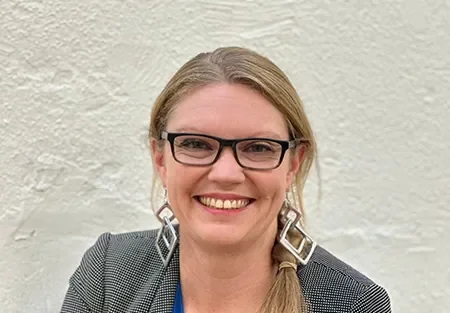
Haylee Fuller
Head of the Appeals, Complaints & Conduct Office
Queen Mary University of London

Helen Megarry
Independent Adjudicator
Office of the Independent Adjudicator for Higher Education

Sarah Waygood
Academic Director for Student Conduct and Compliance
City St George’s, University of London

Lu Yang
Acting Head of Student Conduct and Compliance
City St George’s, University of London

Kate Waugh
Head of Disability Services
Birmingham City University

Caroline Huntley
Head of Disability Service
University of the Arts London

Dr Jenny Allport Reid
Head of Student Conduct, Complaints and Appeals
University of Birmingham

Nicola Young
Senior Student Casework Manager
University of Portsmouth

Jon Putnam
Head of Student Conduct, Complaints and Resolution
University of Leicester

Helen Munro
Student Casework Manager
Bangor University

Emma Bales
Director of Student Services
University of Cumbria
What to Expect
Why attend the conference?
Prepare for the new regulatory direction
Understand exactly how proposed OfS condition C6 and OIA Scheme changes could reshape procedures, redress, Completion of Procedures letters and governance.
Reduce delay and repeat escalation
Take away tested approaches to triage, early resolution and joined-up case ownership that protect capacity and improve the student journey.
Turn complaints into institutional improvement
Learn how peers use case intelligence to expose systemic problems, strengthen services and give senior leaders meaningful assurance.
Policy and Practice Context
A Changing Complaints Landscape
Proposed condition C6
The OfS proposes replacing conditions C1 and C3 with a new ongoing duty to treat students fairly, deliver promised education and services, remove unreasonable barriers to complaints and provide effective redress.
Broader consumer-protection scope
The OfS proposals would extend provider responsibility beyond enrolled students and core teaching to prospective and former students, ancillary services, partnership delivery, recruitment agents and other third parties acting on a university’s behalf.
The OIA Scheme is changing
The OIA proposes a principles-led Scheme, a six-month deadline after internal procedures, coverage from offer acceptance and greater scope to intervene when a provider’s internal handling has broken down.
Disabled students remain overrepresented
Forty-two per cent of students complaining to the OIA in 2025 disclosed a disability, with adjustment failures, delay and unclear ownership continuing to drive adverse outcomes.
Academic appeals and service issues dominate
Academic appeals remain the largest category, often involving personal circumstances, while service complaints increased to 33% of the OIA’s closed cases in 2025.
Condition E6 is now operational
Since 1 August 2025, providers have been required to maintain and follow a comprehensive approach to harassment and sexual misconduct, including effective reporting, trained staff, appropriate support and credible investigations.
Join higher education leaders strengthening student complaints and redress
Build a practical approach to fair decisions, earlier resolution and stronger consumer protection.
Programme
Agenda
Chair’s Welcome Address
OfS Update: The Future of Consumer and Student Protection
- The latest position following the OfS consultation on a proposed new approach to consumer and student protection
- What the proposed condition C6, Treating students fairly, could mean for complaints, redress, student contracts and service delivery
- The proposed scope across prospective, current and former students, ancillary services, partnerships and third-party delivery
- What comes next, likely implementation priorities and the changes providers should prepare for now
Academic Appeals, Mitigation and AI-Related Decisions: Building a Fairer Route to Resolution
- Reducing avoidable appeals by improving assessment information, mitigating-circumstances routes and communication before results are confirmed
- Handling personal circumstances that affect engagement or assessment without creating fragmented or duplicative processes
- Setting fair evidence standards for generative AI and academic misconduct cases, including the limits of detection tools
- Writing clear, evidence-based decisions and using appeal outcomes to improve academic regulations and local practice
Break and Networking
Panel Discussion: Effectively Managing the Core Pressures in Student Complaints and Casework
- Designing a sustainable operating model for record caseloads and constrained resources
- Establishing clear ownership when cases cross institutional procedures and teams
- Achieving consistent decisions across faculties, partners and different student groups
- Using complaints intelligence to prevent repeat failures and drive service improvement
Disabled Student Cases: From Agreed Adjustments to Consistent Delivery
- Why disabled students remain overrepresented in complaints and where institutional processes most often break down
- Closing the gap between centrally agreed reasonable adjustments and delivery in faculties, assessments, placements and partner settings
- Designing accessible complaints and appeals processes for neurodivergent students and students experiencing mental ill health
- Responding when disability support, mitigation, academic progress and fitness-to-practise issues overlap within one case
Lunch Break
Core Complaint Trends and Changes to the OIAHE Scheme
- Updates on the core trends shaping complaints, appeals and student case management
- What rising demand reveals about pressure on university teams and the student redress system
- How a proposed principles-led Scheme would widen eligibility, shorten the complaint window to six months and enable earlier OIA intervention
- Turning the proposed changes into proportionate decisions and more effective redress
Mass Complaints and Group Claims: Coordinating Response, Redress and Risk
- Recognising when separate cases require a single systemic response
- Managing claims arising from cohort-wide disruption or service failure
- Coordinating institutional evidence, messaging and decision-making
- Designing consistent, defensible remedies for affected students
Break and Networking
Caseload Management: Building Capacity, Control and Earlier Resolution
- Structuring triage so urgent, complex and systemic cases receive the right route from the outset
- Reducing duplication through clear workflows, service standards and effective oversight
- Giving frontline teams confidence to resolve appropriate cases early while maintaining independence
- Converting case data into insight that strengthens capacity planning and prevents recurring failures
Sexual Harassment and Misconduct Complaints: From E6 Compliance to Confident Case Handling
- Demonstrating that published E6 policies are working consistently in practice
- Building trusted reporting routes and reducing repeated disclosure for reporting students
- Supporting all parties while preserving independence, natural justice and clear communication
- Training investigators and decision-makers for sensitive, complex and high-risk cases
Conference Close: Setting Your Priorities for the Next Six Months
Ready to strengthen your complaints and casework approach?
Turn the day’s insight into a clear plan for faster, stronger complaint resolution.
Who Should Attend?
Audience
This Conference is designed for higher education professionals responsible for student complaints, appeals, casework, consumer protection, governance and service improvement. Those in attendance will include:
- Heads and Directors of Student Casework
- Complaints and Appeals Managers
- Academic Registrars and Directors of Registry
- Directors and Heads of Academic Quality and Standards
- Directors of Student Services, Experience and Operations
- University Secretaries, Legal Counsel and Governance Leaders
- Heads of Disability, Accessibility and Student Wellbeing
- Student Conduct, Investigations and Safeguarding Leads
- Students’ Union Advice and Representation Leaders
- Casework Officers, Complaints Analysts and Service Improvement Leads
Registration
Secure Your Ticket
HE and Public Sector
£195 + VAT
- Full-day live conference access
- Latest sector and policy insight
- Actionable case studies and tested approaches
- Live chat functionality
- Breakouts and networking
- Access to event resources
Private Sector
£395 + VAT
- Full-day live conference access
- Latest sector and policy insight
- Actionable case studies and tested approaches
- Live chat functionality
- Breakouts and networking
- Access to event resources
HE Team of 3
£526.50 + VAT
- Full-day live access for three delegates
- Latest sector and policy insight
- Actionable case studies and tested approaches
- Live chat functionality
- Breakouts and networking
- Access to event resources
For group discounts and enquiries about your registration please contact us on enquiries@heprofessional.co.uk