
Teaching Excellence Framework Conference 2026
The Teaching Excellence Framework Conference 2026 will explore how universities can prepare for the OfS’s revised approach to TEF and quality regulation, strengthening student experience, student outcomes and institutional evidence while responding to a more strategic and outcomes-focused assessment environment.
The conference will support universities to move from policy change to practical readiness, helping teams build robust, evidence-led and improvement-focused approaches that demonstrate quality, respond to risk and prepare for the next TEF cycle.
The Conference will explore practical strategies for:
- Preparing for the OfS’s revised approach to TEF and quality regulation
- Strengthening student experience and student outcomes through evidence-led improvement
- Building robust institutional evidence across data, context, student voice and impact
- Aligning TEF preparation with APPs, B3, risk monitoring and quality enhancement
- Developing a whole-institution readiness plan for the next TEF cycle
Context
Why Now?
The next OfS consultation will clarify key areas of method, incentives and implementation, making now the right time to prepare.
Universities need to build readiness ahead of the next cycle, rather than wait until submission preparation begins.
Student experience, outcomes and evidence of impact need sustained action across the academic year.
Planning now helps align senior leadership, academic teams, quality, data, APPs and student voice before the next cycle.
Speaker Line-up
Confirmed Speakers
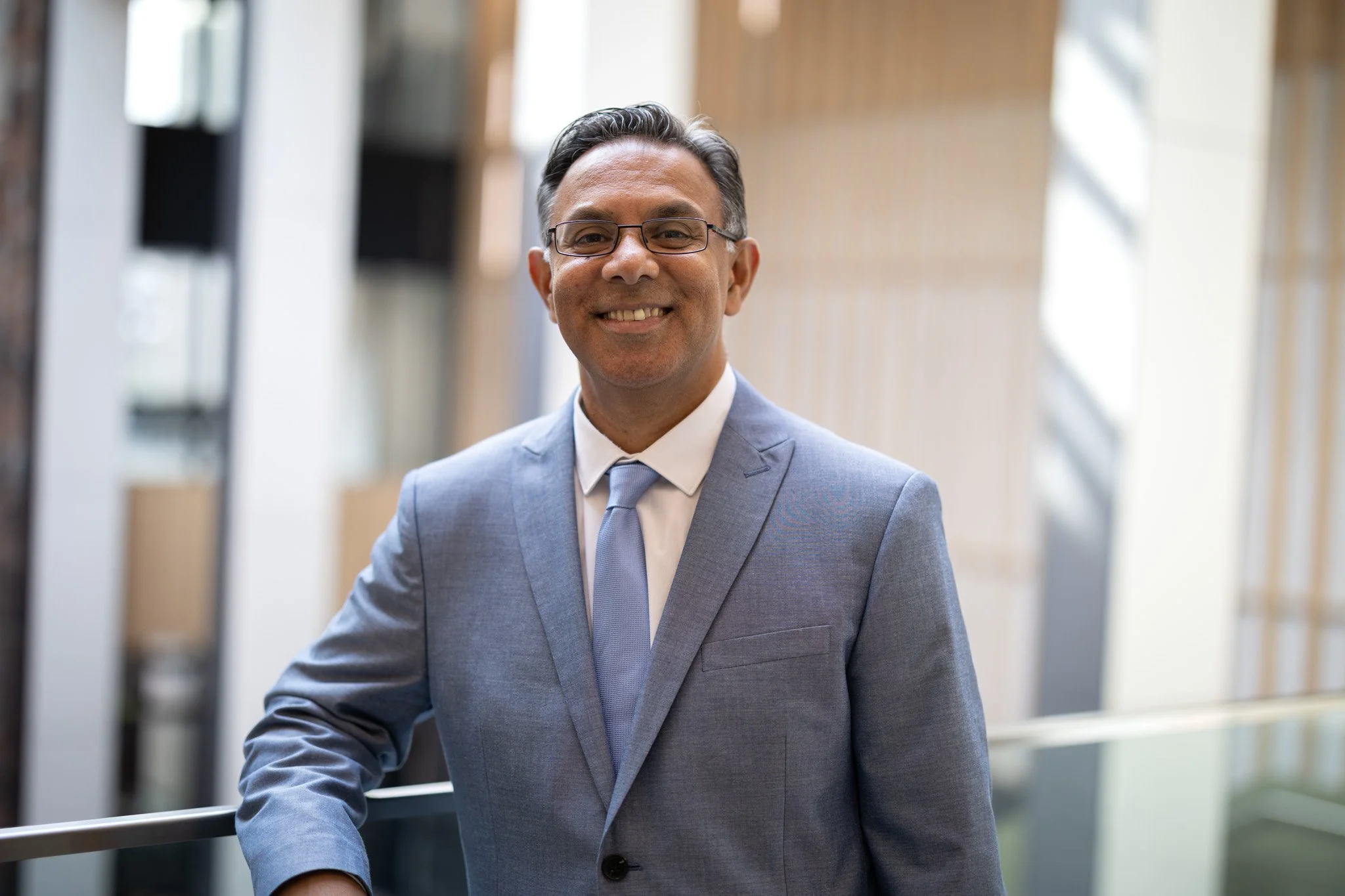
Professor Ebrahim Adia
Vice-Chancellor
University of Wolverhampton

Graeme Rosenberg
Head of Student Outcomes
Office for Students

Janice Kay CBE
Director
Higher Futures

Professor Claire Pike
Pro-Vice-Chancellor – Student Education and Experience
University of East Anglia

Professor Nicola Walshe
Pro-Vice-Chancellor – Education
University of Surrey

Professor Ruth Ayres
Pro Vice-Chancellor for Education and Student Experience
Keele University

Professor Matthew Timmis
Director of Student Outcomes
Anglia Ruskin University

Professor Niamh Downing
Deputy Vice-Chancellor and Provost
Bournemouth University

Professor Zoe Radnor
Interim Deputy Vice-Chancellor (Academic) and Pro Vice-Chancellor Global Academic Hubs
Aston University

Dr Jovana Radulovic
Director of Education Strategy
University of Portsmouth

Professor Kate O’Riordan
Pro-Vice-Chancellor – Education and Students
University of Sussex

Professor Kate Strudwick
Dean of Teaching and Learning
University of Lincoln
What to Expect
Why attend the conference?
Assess how your institution can prepare for the revised TEF and strengthen its approach to quality regulation, student experience and student outcomes ahead of the next assessment cycle
Discover practical approaches for building a robust TEF evidence base across data, institutional context, student voice, APPs, B3 and demonstrable impact
Develop a roadmap for coordinating TEF readiness across academic leadership, governance, quality, planning and student partnership teams while maintaining a clear focus on continuous improvement
Policy Context
TEF Changes Ahead
The OfS has confirmed the direction of a more integrated, cyclical and risk-based quality system. These are the key changes institutions now need to translate into practical readiness.
A more integrated quality system
TEF will sit more closely alongside the B conditions, with condition B3 integrated into the assessment of student outcomes and further alignment with Access and Participation Plans to follow.
Two ratings, with no overall award
Providers will receive separate ratings for student experience and student outcomes, where sufficient data is available, rather than a single overall institutional rating.
Bronze will mark the quality baseline
Bronze will indicate that minimum requirements are being met. Requires Improvement will signal greater regulatory concern, while further decisions on incentives and interventions are still to come.
All registered providers will enter scope
The future TEF will assess all OfS-registered providers through rolling cycles, with lower ratings and emerging quality risks able to trigger earlier or more frequent assessment.
Data, context and evidence of impact will matter
Assessment will draw together outcomes data, institutional context, provider evidence and independent student input, including demonstrable evidence that improvement actions are having an effect.
The first assessments begin in 2027–28
Undergraduate and apprenticeship provision will be included in the first cycle, with postgraduate taught provision following later and detailed methodology subject to further consultation.
Join higher education leaders preparing for the next TEF cycle
Build a practical approach to quality enhancement, institutional evidence and TEF readiness.
Programme
Agenda
Chair’s Welcome Address
OfS Update: The Future TEF and the New Approach to Quality Regulation
- The key decisions from the OfS consultation outcomes and what they mean for providers
- How student experience and student outcomes will sit within the future TEF
- The implications of B3 integration, risk monitoring and the removal of an overall rating
- What is still to be clarified through the next stage of consultation
Panel Discussion: Responding to the New TEF – Priorities for Institutional Readiness
- What the new TEF means for senior leaders, governing bodies and academic teams
- How universities can prepare for a system where Bronze carries greater reputational and strategic risk
- How to avoid TEF becoming a narrow compliance exercise and retain a focus on quality enhancement
- What practical decisions institutions should make in 2026 to be ready for 2027–28
Break and Networking
Building the TEF Evidence Base: Data, Context and Demonstrating Impact
- Understand how universities can prepare for a more data-led approach to student outcomes and student experience
- How to interpret continuation, completion, progression, salary and post-study outcomes data alongside institutional context
- Building credible narrative evidence around student cohorts, regional labour markets, subject mix and institutional mission
- Approaches for addressing data limitations, small cohorts, data volatility and lagging indicators, while evidencing the impact of actions taken to improve outcomes
Understanding the New TEF Risk Landscape: Beyond Bronze in Institutional Strategy
- Understand how the repositioning of Bronze changes the strategic, reputational and operational significance of TEF
- Explore the potential implications of TEF ratings for student number growth, degree awarding powers, funding and fee uplifts
- Assess how universities can prepare for stronger incentives and interventions without becoming overly risk-averse
- Identify how to communicate TEF risk clearly across governance, academic leadership and professional services
Lunch Break
Afternoon Chair’s Welcome Address
Building a Framework for High Quality Teaching and Learning
- How to define high quality teaching and learning in a way that supports improvement
- Creating governance structures that connect teaching quality, NSS, student outcomes and TEF
- Engaging academic staff in enhancement rather than simply performance monitoring
- Building a sustainable model for continuous improvement across the institution
Student Experience, Student Voice and the Independent Student Submission
- How to build effective student voice structures before the TEF submission window
- Supporting independent student evidence without compromising student ownership
- Connecting NSS, student partnership, course-level feedback and quality enhancement
- Using student voice to evidence change, not just identify dissatisfaction
Break and Networking
Building a Future TEF Readiness Plan
- How to align TEF preparation with APP evidence, B3 monitoring and student success work
- Preparing for the inclusion of apprenticeships and partnership provision in the first cycle
- What universities should do now to prepare for future PGT inclusion
- Building a cross-institution TEF readiness plan across quality, planning, academic departments and student voice
Chair’s Closing Reflections: What Next?
- What the next consultation means
- What to prioritise for the next assessment cycle
- The real questions on TEF readiness
- Next steps on data, evidence, governance and quality enhancement planning
Ready to prepare for the future TEF?
Secure your place and join senior HE colleagues focused on student experience, outcomes and quality improvement.
Who Should Attend?
Audience
This Conference is designed for higher education professionals responsible for TEF preparation, teaching excellence, student outcomes, quality enhancement and education strategy. Those in attendance will include:
- Pro Vice-Chancellors Education, Learning and Teaching
- Deputy Vice-Chancellors and senior education leaders
- Directors and Heads of Academic Quality, Standards and Governance
- Directors and Heads of Teaching and Learning
- Directors and Heads of Student Experience and Student Outcomes
- Heads of Planning, Insight, Data and Strategic Performance
- Academic Registrars and Registry Leaders
- TEF Leads, Quality Enhancement Leads and Education Strategy Leads
- Access and Participation, Student Success and Student Voice Leads
- Deans, Associate Deans, Programme Directors and Course Leaders
Registration
Secure Your Ticket
HE and Public Sector
£195 + VAT
- Full-day live conference access
- Latest sector insight
- Practical examples of best practice
- Live chat functionality
- Breakouts and networking
- Access to event resources
Private Sector
£395 + VAT
- Full-day live conference access
- Latest sector insight
- Practical examples of best practice
- Live chat functionality
- Breakouts and networking
- Access to event resources
HE Team of 3
£526.50 + VAT
- Full-day live access for three delegates
- Latest sector insight
- Practical examples of best practice
- Live chat functionality
- Breakouts and networking
- Access to event resources
For group discounts and enquiries about your registration please contact us on enquiries@heprofessional.co.uk